Keep Up With Us

News & Events

ALL NEWS

Social Media

@hiffhawaii 2026 is coming up fast! This year, our  Archival Screening is on Saturday, October 24th. We are honoring Hawaiʻi Filmmaker Tip Davis by screening several of his works. See the description below and grab your free tickets!

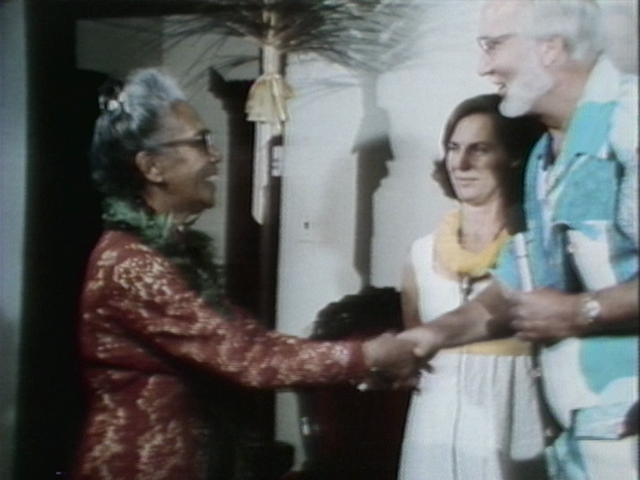
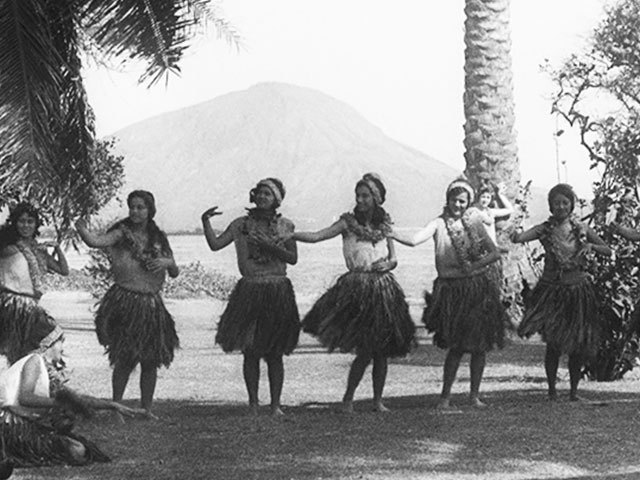
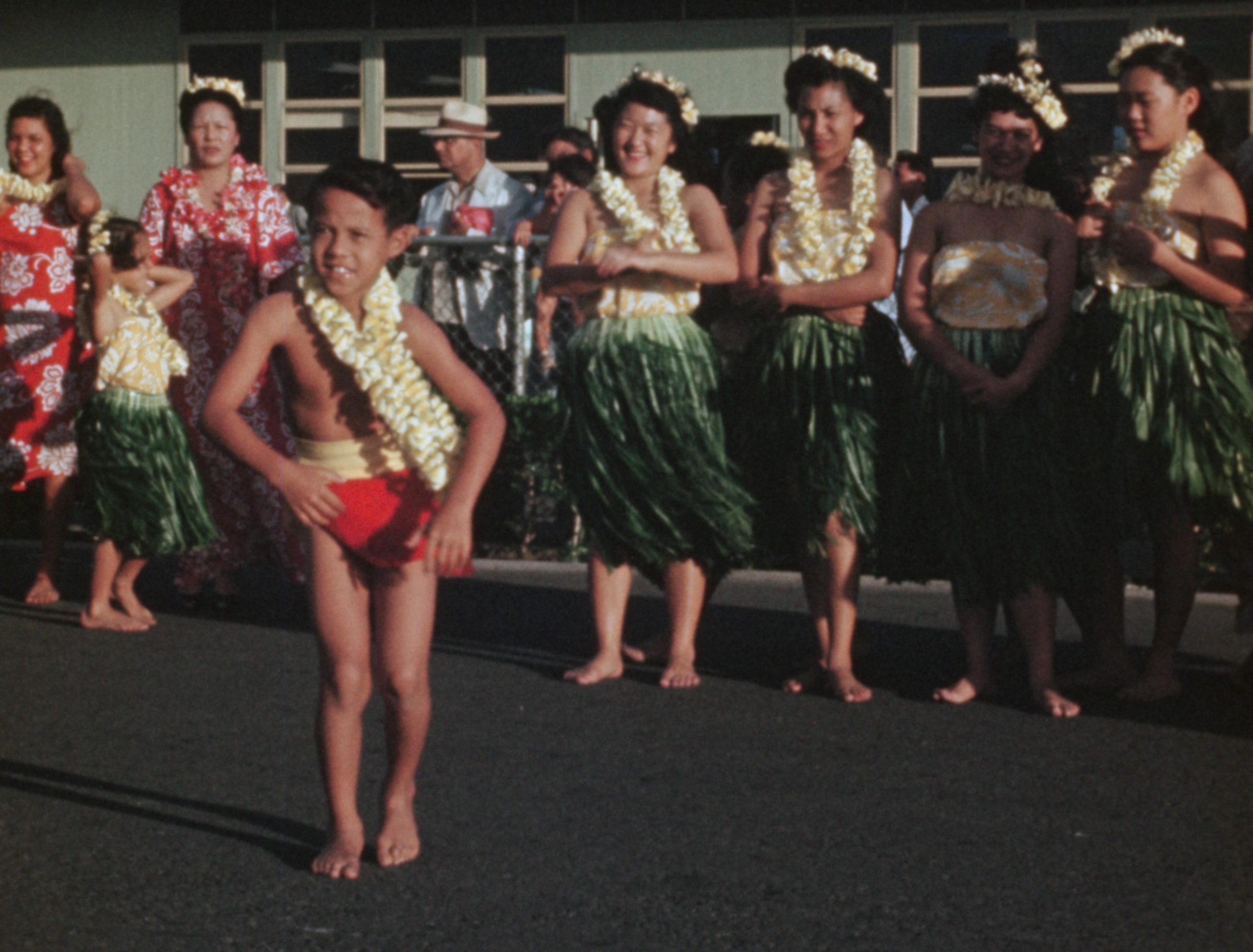
HIFF continues its partnership with ‘Ulu‘ulu: The Henry Ku‘ualoha Giugni Moving Image Archive of Hawai‘i at the University of Hawai‘i–West O‘ahu with a special screening and panel celebrating the work of pioneering documentary filmmaker Tip Davis. During the 1960s and 1970s, Davis captured invaluable images and voices from a transformative period in Hawai‘i, documenting cultural practices, community gatherings, and the growing movement of the Hawaiian Renaissance. Drawn from archival collections, this program offers a rare opportunity to experience Tip Davis’s work on the big screen and celebrate the importance of preserving Hawai‘i’s audiovisual history. Selections include the legendary CRATER FESTIVAL (1972); MEALI‘I KALAMA, QUILTER (1974), an intimate portrait of the celebrated Hawaiian quilter; HŌKŪLE‘A, STAR OF GLADNESS (1975), documenting the voyaging canoe that became a powerful symbol of cultural renewal; and KOHALA UNUPAʻA: LAND OF THE DETERMINED PEOPLE, featuring beloved kūpuna William “Bill” Sproat, longtime keeper of the Kohala Ditch, who shares stories of the area. A panel discussion will further explore Davis’s remarkable legacy.

Drawn from archival collections, this program offers a rare opportunity to experience Davis’s work on the big screen and recognize the importance of preserving Hawai‘i’s audiovisual history. Selections include footage from the legendary CRATER FESTIVAL (1972); MEALI‘I KALAMA, QUILTER (1974), an intimate portrait of the celebrated Hawaiian quilter; and HŌKŪLE‘A, STAR OF GLADNESS (1975), documenting the voyaging canoe that became a powerful symbol of cultural renewal. A panel discussion will contextualize Davis’s remarkable legacy.

For tickets:
https://boxoffice.hiff.org/events/ULUULUTIPDAVISPRESERVINGHAWAIIINMOTIO
Welcome our 2026  Roselani Summer Intern and @amiarchivists Pathways Fellow, Macilee! She's been here with us for a while, but you all haven't met her just, yet. Read her answers to our intern interview here:

 https://uluulu.westoahu.hawaii.edu/introducing-our-2026-roselani-summer-intern-amia-pathways-fellow-macilee
Follow along for a day on the job with our E Hoʻomau Graduate Intern ʻĀnelaonalani Smith! 

ʻĀnelaonalani has been working at the ʻUluʻulu Archives for the Spring and Summer semesters and has assisted with the digitization of digital and audio tapes from the Eddie and Myrna Kamae Collection. She is currently pursuing her Masters in Public Health at UH Mānoa, in the Native Hawaiian and Indigenous Health specialization. 

Her work has included watching production materials from the Kamae's 10 documentaries to listening to studio recordings sessions of the Sons of Hawaiʻi. ʻĀnelaonalani says she is working her dream job. Mahalo for all your excitement and care for these archival materials! 

#libraryandarchives #ehoomau #kamaecollection
Summer's almost PAU! What have you been doing during these hot months? Did you get to do what you planned to do for the summer?
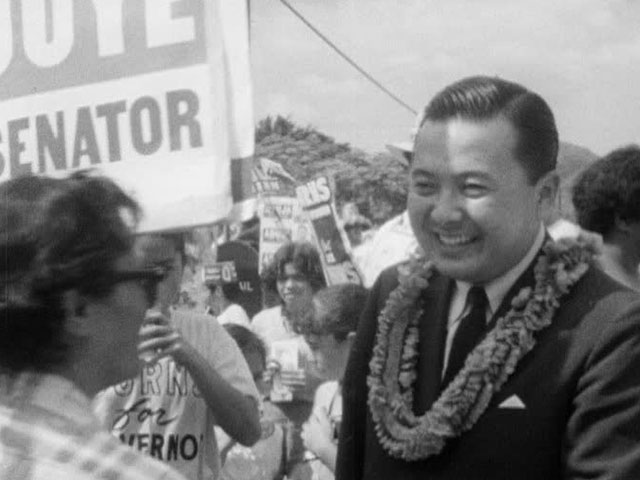
Can you believe it's August, already? This month we're screening videos that help shine a light on National Wellness Month and Peace Month. First, we're showing Juniroa's "On Target" episode on Respiratory Illness. Second, is a campaign video from our Hawaiʻi Congressional Media Collection, "...to serve the people..." The Story of an American Senator Matsunaga of Hawaii 1982 part 1. 

Come view the videos in our public viewing space or contact us to stream directly!
In 2001, the King Kamehameha I statue in Kohala, Hawaiʻi underwent professional restoration led by conservator Glenn Wharton. Since the early 20th century, the statue had been painted by local residents to protect it against deterioration and appear more human. During the restoration, there was a question of whether or not to restore the statue to its original brass and gold finish or continue the tradition of the painted statue. The community voted to continue painting the statue and each color was carefully chosen by a committee of local community leaders. The color red was matched with an ʻiʻiwi feather, yellow with a mamo feather, and the color of the skin was matched with a descendant of Kamehameha.

Video Description: Kūpuna Marie Solomon and Kealoha Sugiyama, former caretaker of the Kamehameha statue, compare ʻiʻiwi and mamo feathers with color samples to select a shade of red and yellow. 

Collection: Mary Tuti Baker
Subcollection: King Kamehameha I: A Legacy Renewed production materials

Post Curated by Roselani Summer Intern, Macilee MacKenzie 

Conservator Glenn Wharton and high school student, Daniel Otake, compare brown color samples with the skin of Nalani Cabrera, a descendant of Kamehameha, who was also assisting the conservation team with the statue restoration.

High school student, Daniel Otake, painting the Kamehameha statue.
Back To Top